A bright, confident smile often starts with good oral hygiene—but many people are turning to hydrogen peroxide for an extra whitening boost. Knowing how to clean your teeth with hydrogen peroxide safely is essential, as using it the wrong way can cause irritation or even enamel damage.
When applied correctly, hydrogen peroxide can effectively lift stains, kill bacteria, and improve overall dental appearance. This guide will help you understand how to clean your teeth with hydrogen peroxide safely, explore expert-approved techniques, and discover alternative whitening methods that protect your enamel while giving your smile a natural glow.

How to Clean Your Teeth with Hydrogen Peroxide Safely
Hydrogen peroxide can help whiten teeth and remove surface stains, but using it the wrong way can damage gums and enamel. The safest way to clean teeth with hydrogen peroxide is to use it only in dentist-approved products like whitening strips or gels, not as a mouth rinse. When used correctly, it can brighten a smile without causing irritation or long-term harm.
Many people try home remedies using hydrogen peroxide straight from the bottle, but that can lead to painful gum inflammation or tissue damage, as explained by dental experts in Men’s Health. Understanding how hydrogen peroxide works and how to apply it safely helps prevent these risks.
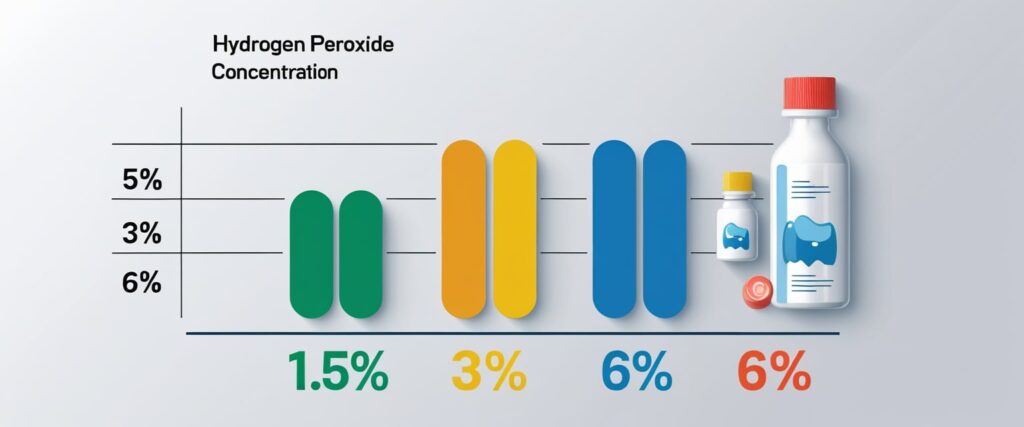
This guide explains safe methods for cleaning teeth with hydrogen peroxide and explores other options that enhance whitening results while protecting oral health.
Safe Methods for Cleaning Teeth with Hydrogen Peroxide
Hydrogen peroxide can remove surface stains and kill bacteria when used correctly. Concentration, application time, and frequency determine how safe and effective it is for cleaning and whitening teeth.
Choosing the Right Hydrogen Peroxide Concentration
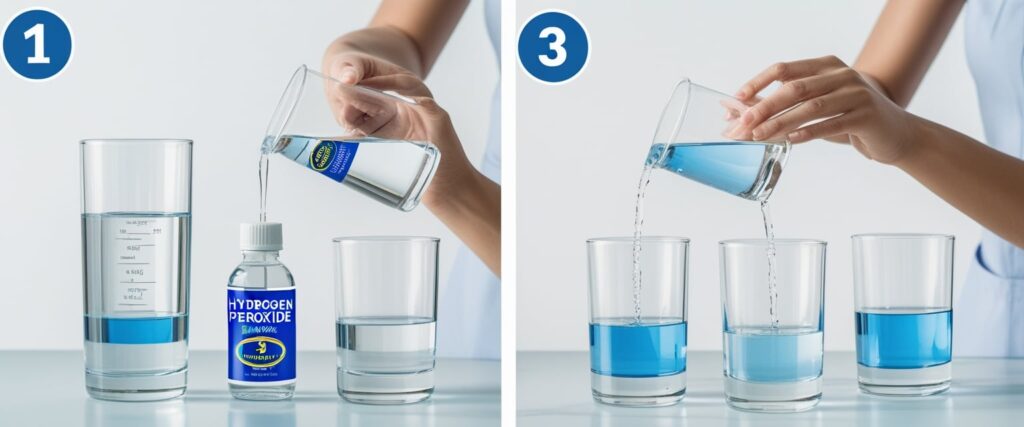
Most over-the-counter hydrogen peroxide is sold in 3% strength. This concentration is considered safe for oral use when diluted. Dentists often recommend mixing equal parts hydrogen peroxide and water to reduce irritation.
Higher concentrations, such as 6% or more, are used by professionals under supervision. The American Dental Association (ADA) advises against using undiluted peroxide because it can damage enamel and gums.
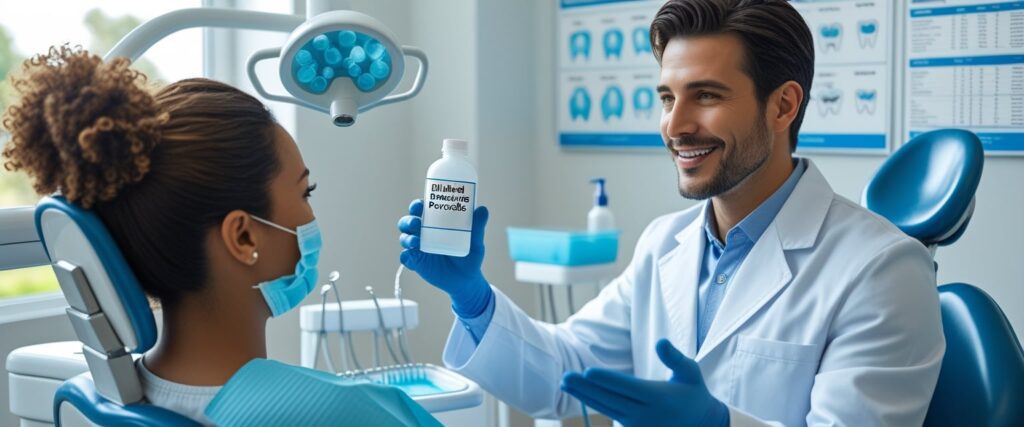
Comparison Table
| Concentration | Common Use | Safety Level |
|---|---|---|
| 1–1.5% | Home rinse (diluted) | Safe for short-term use |
| 3% | Whitening base (diluted) | Safe with care |
| >6% | Professional use only | Risk of irritation |
Step-by-Step Guide to Using Hydrogen Peroxide for Teeth Cleaning
- Dilute the solution. Mix one part 3% hydrogen peroxide with one part water.
- Swish gently. Rinse for 30 seconds to one minute, avoiding swallowing.
- Spit and rinse. Use plain water afterward to remove any residue.
For surface whitening, hydrogen peroxide can be combined with baking soda to form a mild paste. According to Allure’s guide to safe whitening, this mixture helps scrub away stains but should not replace regular toothpaste.
Use this method only a few times per week. Overuse can cause tooth sensitivity or gum irritation. A cosmetic dentist can suggest the safest frequency based on enamel condition.
Risks and Safety Precautions When Using Hydrogen Peroxide
Hydrogen peroxide can cause tooth sensitivity, gum irritation, or enamel erosion if used too often or at high strength. People with receding gums or existing dental work should use extra caution.
The American Dental Association recommends stopping use if burning, pain, or white patches appear. Avoid swallowing peroxide, as it can upset the stomach.
Safety Tips:
- Limit use to a few times weekly.
- Never use concentrations above 3% without dental supervision.
- Store peroxide in a cool, dark place to prevent breakdown.
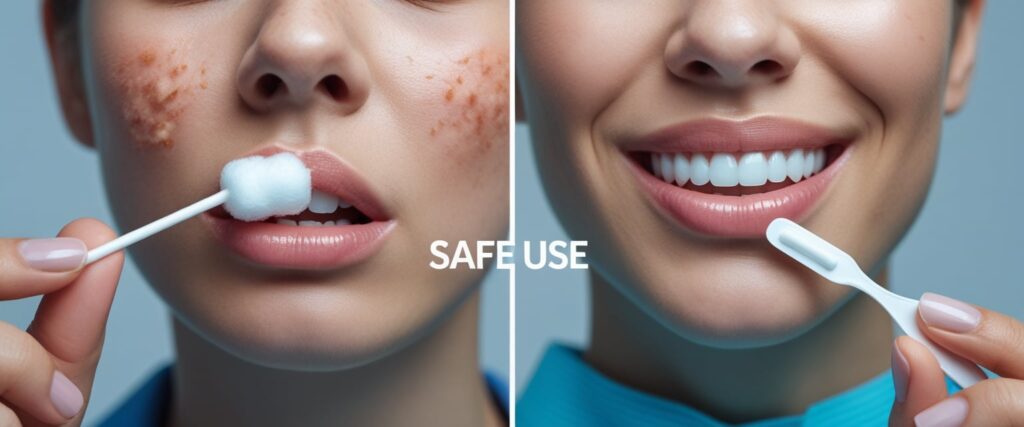
When used properly, hydrogen peroxide can safely support teeth whitening and oral hygiene.
Who Should Avoid Hydrogen Peroxide for Teeth Cleaning
People with sensitive teeth, open cavities, or gum disease should avoid peroxide-based cleaning. Children and pregnant individuals should also skip it unless approved by a dentist.
Those with dental restorations like veneers or crowns may find peroxide ineffective, as it does not change the color of artificial materials.
A cosmetic dentist can recommend alternatives such as professional whitening gels or fluoride-based products. For some, a whitening toothpaste or at-home whitening kit may be safer.
Anyone experiencing ongoing discomfort or enamel thinning should stop use immediately and seek professional evaluation.
Alternatives and Enhancements to Hydrogen Peroxide Teeth Cleaning
People who want whiter teeth have many safe and effective options beyond hydrogen peroxide. These include whitening toothpastes with active ingredients, natural home remedies, and professional treatments that reduce sensitivity and protect enamel.
Whitening Toothpastes and Key Ingredients
Modern whitening toothpastes use gentle abrasives and chemical agents to remove surface stains. Common ingredients include silica, calcium carbonate, and sodium bicarbonate (baking soda), which polish away discoloration without damaging enamel. Some formulas add fluoride for cavity prevention and xylitol to reduce bacteria that cause plaque.
Brands like Colgate Optic White use hydrogen peroxide to bleach stains, while others such as Sensodyne Extra Whitening include potassium nitrate to reduce sensitivity. Toothpastes with nano-hydroxyapatite, like those from Risewell, help rebuild enamel and strengthen teeth.
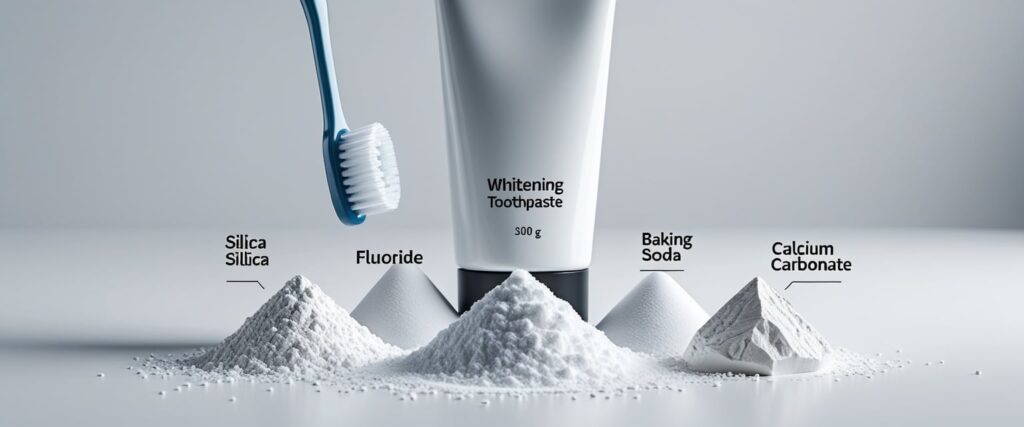
Dentists often recommend alternating between a whitening toothpaste and one for sensitive teeth to maintain enamel health. Using a soft-bristled toothbrush and brushing gently twice a day helps prevent abrasion and gum irritation.
Natural Whitening Options and Home Remedies
Some people prefer natural whitening toothpaste or home remedies that avoid peroxide. Ingredients like baking soda, coconut oil, and essential oils such as peppermint or tea tree can help clean teeth and freshen breath. Oil pulling with coconut oil may reduce bacteria and plaque buildup, although results vary.
Charcoal and calcium carbonate are common in natural whitening pastes. However, charcoal can be abrasive, so it should be used sparingly to avoid enamel wear. Xylitol-based products can also support oral health by reducing harmful bacteria.
Products like Burt’s Bees Charcoal and Whitening Mountain Mint Toothpaste combine natural abrasives and mint oils for mild whitening. While these options are generally safe, they may not remove deep stains as effectively as peroxide-based products.
Managing Tooth Sensitivity During Whitening
Tooth sensitivity is a common side effect of whitening. Using toothpaste with potassium nitrate or fluoride can calm nerve endings and rebuild enamel. Some people find relief from hydroxyapatite or nano-hydroxyapatite products, which fill microscopic cracks in enamel.
Limiting whitening treatments to a few times per week and avoiding acidic foods right after whitening can help reduce discomfort. Drinking water after consuming coffee, tea, or wine also minimizes staining and sensitivity.
Those with chronic sensitivity may switch to gentler whitening options like Lumineux Teeth Whitening Strips, which use natural oils instead of peroxide. These products aim to balance whitening results with gum comfort.
When to Consult a Dental Professional
A dentist should evaluate persistent stains, enamel damage, or sensitivity before starting any whitening routine. Professional guidance ensures the chosen method matches the person’s dental health and goals.
Dentists can offer in-office whitening treatments that use controlled hydrogen peroxide levels and protective barriers for faster, safer results. They may also recommend at-home kits like Crest 3D Whitestrips for convenience and maintenance.
Regular checkups help detect early signs of cavities, gum issues, or enamel erosion. With professional advice, people can combine whitening products safely and maintain long-term oral health.
Conclusion
Hydrogen peroxide can be a powerful ally in achieving whiter, cleaner teeth—but only when used with care and proper guidance. Following the right dilution, frequency, and aftercare ensures that your enamel and gums stay healthy while you enjoy visible whitening results.
Always remember, learning how to clean your teeth with hydrogen peroxide safely can make all the difference between a radiant smile and avoidable dental damage. For best outcomes, pair these safe peroxide practices with dentist-recommended alternatives and routine dental checkups to maintain lasting oral health. Now that you know how to clean your teeth with hydrogen peroxide safely, you can brighten your smile with confidence and care.